Employee Clocking System
Understanding Employee Clocking Systems
An employee clocking system is a vital tool for businesses looking to manage their workforce efficiently. This system allows employees to record the hours they work, which can significantly streamline payroll processes and improve overall time management. By implementing an effective clocking system, businesses can reduce time theft, enhance productivity, and ensure compliance with labour laws.
Types of Employee Clocking Systems
There are several types of employee clocking systems available, each catering to different business needs:
- Manual Time Sheets: A traditional method where employees record their hours on paper. While simple, it can be prone to errors.
- Time Clocks: Physical devices that allow employees to punch in and out. These are reliable but may require maintenance.
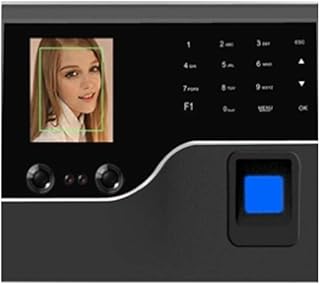
- Biometric Systems: These use fingerprints or facial recognition to clock in and out, providing high security and accuracy.
- Online Time Tracking Software: Cloud-based solutions that enable employees to log hours from any device, making it ideal for remote teams.
Benefits of Implementing an Employee Clocking System
Employers can enjoy a range of benefits from using a robust employee clocking system:
- Increased Accuracy: Reduces human error in timekeeping, ensuring employees are paid accurately for their work.
- Time Savings: Automates the time tracking process, freeing up HR teams to focus on other critical tasks.
- Enhanced Accountability: Employees are more mindful of their hours worked, which can lead to increased productivity.
- Compliance Assurance: Helps ensure that businesses comply with labour laws regarding working hours and overtime.
Choosing the Right Employee Clocking System
When selecting an employee clocking system, consider the following factors:
People Also Look For:
- Time Cards IClock1000 Smart Office Fingerprint Recognition Time Attendance Smart Terminal Employee Facial Clock Recorder Time Atte...
- 2.8in TCP/IP Fingerprint Attendance Machine, Face Fingerprint Password ID Card Recognition Time Attendance Clock, Biometric Passwo...
- Biometric Technology for Human Identification III (Proceedings of SPIE)
- The Operational Excellence Library; Mastering Accounting software solutions
- Sales and Post-Sales Scripts for Enterprise Software Solutions (Sales Scripts Series)
- Business Size: Larger organisations may benefit from advanced systems that integrate with payroll software, while smaller teams might opt for simpler options.
- Industry Requirements: Certain industries have specific compliance needs, so ensure the system meets these regulations.
- User-Friendliness: The system should be easy for both employees and managers to navigate.
- Integration: Look for systems that can integrate with existing HR and payroll software for seamless operation.
For a range of options, you can explore our selection of employee clocking systems designed to meet various business needs.
Tips for Smooth Implementation
Implementing a new employee clocking system doesn’t have to be daunting. Here are some helpful tips:
- Involve Employees: Get feedback from your team to ensure the system meets their needs and is user-friendly.
- Provide Training: Offer comprehensive training sessions to help employees adapt to the new system.
- Monitor Performance: After implementation, regularly review the system's performance and address any issues promptly.
Future Trends in Employee Clocking Systems
The landscape of employee clocking systems is continually evolving. Here are a few trends to watch:
- Mobile Accessibility: As remote work becomes more prevalent, systems that allow mobile clock-ins are gaining popularity.
- AI and Automation: Artificial intelligence is increasingly being used to predict workforce needs and optimise scheduling.
- Enhanced Security Features: With more data being collected, security measures are becoming more sophisticated to protect sensitive information.
Frequently Asked Questions About Employee Clocking System
What is the primary purpose of an employee clocking system?
The primary purpose of an employee clocking system is to accurately track the hours worked by employees, aiding in payroll and ensuring compliance with labour regulations.
Can an employee clocking system help reduce time theft?
Yes, by accurately tracking employee hours and requiring specific methods of clocking in, such as biometric systems, time theft can be significantly reduced.
Is it necessary to train employees on how to use a clocking system?
While some systems are user-friendly, providing training can help ensure all employees are comfortable and proficient in using the clocking system, leading to smoother operations.
What should I look for when choosing an employee clocking system?
Consider factors such as ease of use, integration capabilities with existing software, the size of your business, and specific industry requirements to ensure you choose the right system.