Navigating the Future: Adopting Biometric Technology - Challenges and Solutions
Our Product Insight
In today's fast-paced world, biometric technology is becoming increasingly important for security and convenience. From fingerprint scanners to facial recognition, this technology offers a range of applications that can enhance user experiences across various sectors. However, adopting biometric technology is not without its challenges. In this blog post, we will explore the intricacies of implementing biometric systems, the key features that make them appealing, and who can benefit the most from this innovative technology.Key Features
When considering the adoption of biometric technology, it’s essential to understand its core features:- Enhanced Security: One of the most significant advantages of biometric systems is their ability to provide a higher level of security compared to traditional methods like passwords or PINs. Biometric identifiers are unique to each individual, making unauthorized access much more difficult.
- User Convenience: Imagine never having to remember a password again! Biometric technology simplifies the authentication process, allowing users to access their devices or accounts with just a fingerprint or facial scan.
- Scalability: Biometric systems can be scaled to meet the needs of various organizations, from small businesses to large enterprises. This flexibility makes it easier to implement across different environments.
- Integration Capabilities: Many biometric systems can be integrated with existing security infrastructure, such as surveillance cameras and alarm systems, enhancing overall security measures.
While these features make biometric technology appealing, it’s important to also consider some challenges:
- Privacy Concerns: The collection and storage of biometric data raise significant privacy issues. Users may be hesitant to share their biometric information due to fears of data breaches or misuse.
- Implementation Costs: Although the long-term benefits can outweigh the initial investment, the upfront costs of implementing biometric systems can be a barrier for some organizations.
- Technical Limitations: Not all biometric systems are foolproof. Factors such as environmental conditions or physical changes (like injuries) can affect the accuracy of biometric recognition.
Who It's For
Biometric technology is suitable for a wide range of industries and applications. Here are some key sectors that can benefit:- Financial Institutions: Banks and financial services can enhance security for online transactions and account access, reducing fraud and identity theft.
- Healthcare: Hospitals and clinics can use biometric systems to securely access patient records, ensuring that sensitive information remains protected.
- Retail: Retailers can streamline the checkout process, allowing customers to make purchases quickly and securely using biometric authentication.
- Government and Law Enforcement: Biometric technology can assist in identity verification for various governmental services, enhancing security measures in public spaces and during law enforcement operations.
- Corporate Environments: Businesses can use biometric systems for employee access control, ensuring that only authorized personnel can enter secure areas.
In conclusion, adopting biometric technology presents both exciting opportunities and notable challenges. By understanding the key features and potential considerations, you can make informed decisions about how to integrate this technology into your organization or daily life. As we move toward a more digitized future, embracing biometric solutions may just be the key to unlocking enhanced security and convenience for everyone.
1. For businesses looking to streamline their employee attendance processes, the TimeMoto TM™626 Cloud-Based Employee Time Clock offers advanced features like fingerprint recognition and RFID badge support. 2. If you're interested in understanding the societal impacts of biometric technology, consider reading "America Identified: Biometric Technology and Society" by Lisa S. Nelson for insightful perspectives. 3. The LeGDOr Time Clock Tpad86-YUN is an excellent choice for companies seeking a reliable and efficient fingerprint time attendance machine that integrates seamlessly with cloud technology. 4. Explore the 2023 Report on Cloud-Based Software Solutions and Software as a Service (SaaS) to gain valuable insights into the market segmentation and trends influencing biometric technology adoption. 5. For a comprehensive biometric attendance solution, the Clocking in Machine offers advanced USB fingerprint capabilities, making it an efficient option for recording employee attendance and exit data.
More Products You Might Like
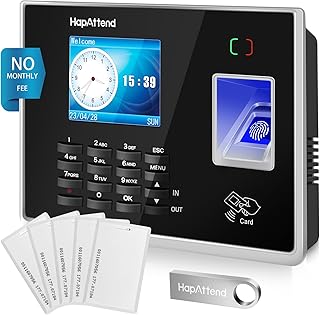
HapAttend Fingerprint Time Clocks - H2 Clocking in Machine f

The 2023-2028 Outlook for Employee Scheduling Software in th
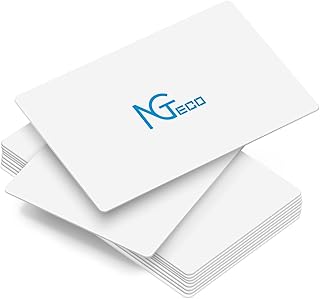
NGTeco 10 PCS RFID Cards for Time Clock, Compatible Time and
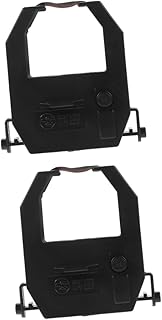
Lurrose 2 Pack Time Recorder Ribbon for Digital Time Clock U

JEWEDECO Time Recorder Accessory Kit 2 Pack Sturdy Attendanc
Disclaimer: This article has been generated through our AI content insight system and is intended for general informational purposes only. Please carry out your own research and review product details directly before making any purchase decisions.